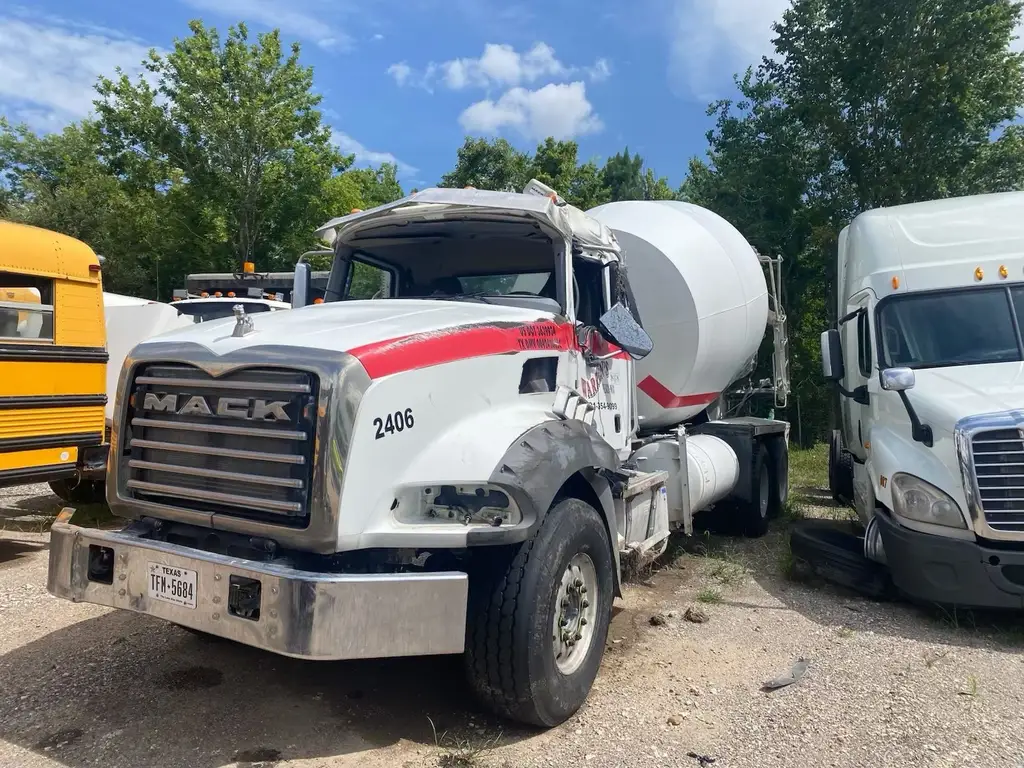
A heavy recovery claim closes fast when the tow company hands the adjuster a file that answers every question before it is asked. It drags for months when the invoice is a single line and the photos do not exist. This guide is what we send with every heavy invoice, why each piece is there, and how to read it.
Three files, not one
A heavy claim has three distinct parts and they should be documented separately. The recovery file covers the scene: what was found, what was done, with which equipment, for how long. The equipment file covers the tractor and trailer as property: condition, damage, where they are and what it costs to keep them there. The cargo file covers the freight: condition, quantity, disposition, and who owns the decision. Mixing them is how a cargo salvage question ends up holding a tractor release hostage.
The photo standard
- Arrival photos: wide shots from all four sides showing the unit, the roadway, the position and the weather, before anything is touched.
- Identification: VIN plates, unit numbers, DOT numbers, license plates, trailer and container numbers, placards.
- Damage detail: every panel, the cab, the drive line, the tires, the landing gear, the fifth wheel, the load and its securement.
- During: rigging points, the lift or pull, cargo coming out, the ground and fluids. This is what shows the method was correct and the damage was pre-existing.
- Departure: the unit on its wheels or on the trailer, the roadway cleared, absorbent and debris collected.
- All time-stamped and geotagged, delivered as a folder with the invoice, never posted publicly without the owner's written consent.
What an itemized heavy invoice contains
The American Transportation Research Institute found that just under 30 percent of heavy crash tow-and-recovery invoices it reviewed contained charges the fleet considered excessive or unjustified. The defense against that on both sides is itemization. A defensible heavy invoice shows:
- Each unit by name and type (50-ton rotator, heavy wrecker, transfer trailer, forklift, service truck), with time out, time on scene, time cleared and time back, and the hourly rate for each.
- Labor by person and hour, with the role: recovery supervisor, operator, rigger, cargo handler.
- Consumables by item and quantity: absorbent, booms, straps, chains replaced, airbags, disposal.
- Pass-throughs identified as such: environmental contractor, product transfer, traffic control vendor, permits.
- Storage as a separate section with the daily rate, the number of days, and the notification and impound fees the regulations allow.
- A narrative: what was found, what was decided and why, and anything that changed the plan, signed by the supervisor.
Storage under Texas rules
Storage after a tow in Texas happens at a vehicle storage facility licensed by TDLR under Chapter 2303 of the Occupations Code and TDLR's VSF rules. The daily rate is regulated, with a higher rate for vehicles over 25 feet, plus a one-time impound fee and a notification fee when the facility has to send the required letters to the registered owner and lienholder. Those letters are mandatory and they start a clock toward the facility being able to dispose of an unclaimed vehicle, which is why an adjuster should know within a day where the unit is and get the release moving. Releases require identification and written authorization from the owner or an agent, and facilities must post their hours and rates.
Cargo and salvage
The freight belongs to the shipper or the consignee and is insured under a cargo policy, so its disposition is their decision, not the carrier's and not ours. What we do is document its condition, keep it secure and under cover or temperature where possible, and release it to the transporter or salvage buyer the cargo adjuster names, with a signed release and a count. Salvage buyers move fastest when the photo file and a quantity list are already in their inbox. Equipment salvage on a totaled tractor or trailer works the same way: the physical-damage adjuster names the buyer or transporter, we prepare the unit, and the storage stops the day it leaves.
Timelines that keep a claim moving
Day of loss
Recovery company name, rough scope and location of the unit to the adjuster. Photos start arriving that night.
Within 48 hours
Itemized invoice, narrative and full photo file delivered. Adjuster inspects or waives inspection. Cargo owner makes a disposition decision.
Within a week
Tractor, trailer and cargo released to repair, transport or salvage. Storage ends. The claim is now a paperwork exercise.
The alternative
No photos, a one-line invoice and no decision on the cargo: storage accrues for weeks, the invoice gets disputed, and the notification clock forces everyone's hand.
How to question a charge
Ask for the unit times and compare them to the CR-3 crash report and the agency's clearance time. Ask why each support unit was needed and what it did. Ask for the photos that show the consumables being used. A recovery company that did the job right can answer all three in a phone call, and we would rather walk an adjuster through the method than argue about it later. If a charge cannot be explained, it should come off the invoice.
What we send with every heavy invoice
- Itemized invoice with per-unit times and rates, labor by person, consumables and pass-throughs.
- Supervisor's narrative of the recovery, including the method and any decisions made on scene.
- Time-stamped photo folder: arrival, identification, damage, during, departure.
- Copies of the tow ticket, any agency authorization, and the storage notification letters if the unit is stored.
- Our TDLR tow company license, VSF license and certificate of insurance on request.
- A named person who will answer the adjuster's call and walk through the file.
Questions we get about this
Can the adjuster inspect the unit at your facility?
Yes, during posted hours, with the claim information and a quick call ahead so the unit is accessible. Independent appraisers and salvage buyers are welcome on the same terms.
Do you bill the insurer directly?
We bill the motor carrier or owner as the customer and will send the invoice and file directly to the adjuster on request with the claim number referenced. Non-consent tows and storage generally have to be settled before the unit is released.
How quickly can you release a unit once it is authorized?
Same business day in most cases. Send the written authorization, the transporter's information and the payment arrangement, and we prepare the unit and have it ready when the transporter arrives.
Will you provide a recorded statement or testify about the recovery?
Our supervisor will walk the adjuster through the method and the file by phone, provide a written narrative, and appear if a matter goes to litigation with proper notice.